
How to Stop Losing Clients, and Run a More Professional Business

It usually starts small.
A potential client sends a message asking for your price. You respond. They say they’ll confirm. Later that day, three more enquiries came in. You reply to all of them. Somewhere in between, an existing client asks to reschedule. Another sends payment proof. By evening, your chat list is full.
Two days later, you realise something uncomfortable.
One of those enquiries never got a follow-up. And now they’ve booked someone else.
You didn’t lose the client because of pricing. You lost them because of the process.
The Convenience That’s Costing You Revenue
In Nigeria, WhatsApp is the fastest way to build trust. It feels direct and personal. Clients like it because it’s easy. Business owners like it because it’s familiar.
But convenience can quietly create chaos.
When your entire customer journey lives inside chat threads, there is no clear separation between enquiries, confirmed bookings, completed jobs, and pending payments. Everything looks the same. A serious buyer sits right next to a casual question. A confirmed client gets buried under new messages.
The platform was designed for communication, not operational management. Yet many small businesses are using it as both.
That mismatch is where revenue leaks begin.
The Invisible Moments Where Clients Slip Away
Most lost clients do not announce their departure. They simply stop responding.
Sometimes it’s because you replied late. Sometimes it’s because you forgot to follow up. Sometimes it’s because the booking process felt uncertain. In competitive markets, hesitation creates doubt. And doubt pushes clients toward the provider who appears more organised.
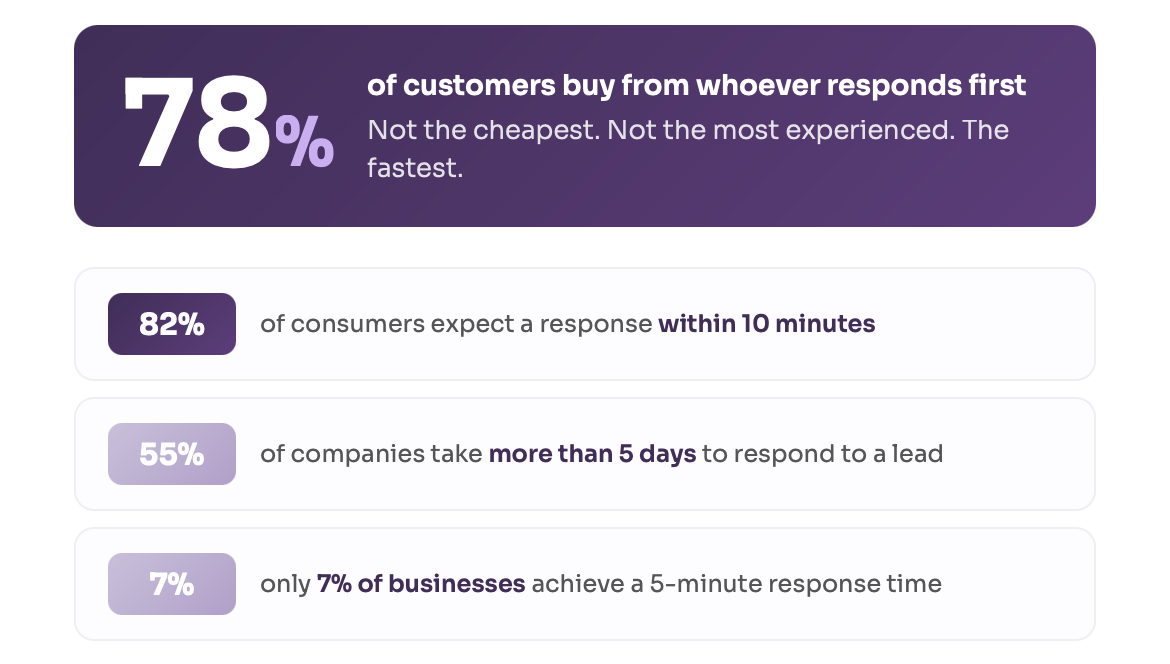
Professionalism is often judged by experience, not talent. If a client has to ask twice for payment details, wait hours for confirmation, or manually remind you about availability, it signals instability, even if your service is excellent.
Over time, these small friction points compound. You may still be busy, but your conversion rate quietly drops.
Why More Messages Don’t Mean More Growth
An increase in enquiries can feel like success. But if your backend systems cannot support that volume, more messages simply create more confusion.
Growth without structure is stressful. You begin to feel stretched, not because demand is high, but because clarity is low. Every new enquiry adds to mental pressure. You find yourself rereading chats to regain context. You rely on screenshots for record-keeping. You double-check payments manually.
Instead of scaling, you are juggling.
And juggling does not build stable businesses.
What a Structured Client Journey Looks Like
Imagine a different flow.
A client makes an enquiry and is directed to a clear booking process. Their information is captured properly. Their payment status is visible without searching through messages. Confirmations and reminders are handled automatically. You can see, at a glance, who is booked, who has paid, and who needs follow-up.
The communication can still happen on social media DMs, but it is no longer carrying the weight of your operations.
This shift changes more than convenience. It changes confidence.
When your systems are clear, you respond faster because you are not searching for information. You scale marketing confidently because you know your process can handle demand. You appear more professional because your workflow supports consistency.
Moving From Chat-Based Hustle to Business Structure
The goal is not to abandon Social Media Platform DMs. It is to stop depending on it as your primary management system.
When bookings, records, and payments are organised outside of chat threads, you reduce errors. You reduce missed opportunities. You reduce the mental strain of remembering everything.
Clients experience smoother service. You experience less stress.
And most importantly, revenue becomes predictable rather than accidental.
Losing clients in DMs is rarely about competition being better. It is usually about competition being clearer.
Structure signals reliability. Reliability builds trust. And trust converts.
When your business stops living entirely inside conversations and starts operating through systems, growth no longer feels chaotic. It feels controlled.
That is the difference between being busy and being truly established.